Top 10 Most Popular Casino Games & Strategies for Winning
Tired of guessing which game offers the best chance to win? Casino games provide a structured system of rules and odds, allowing players to engage in strategy-based play like blackjack or rely on pure chance with slots. To use them, you simply choose a game, place a bet, and follow its specific mechanics to potentially earn rewards. The key benefit is the immediate, risk-reward excitement that comes from each spin or hand.
Understanding the Mechanics of Chance-Based Entertainment
Understanding the mechanics of chance-based entertainment in casino games means realizing that every spin, card, or roll is governed by a built-in mathematical edge. For example, in roulette, the 0 (and 00 in American versions) ensures the house always has a long-term advantage; no strategy or pattern can change these fixed odds. Q: Why should you care about the house edge? A: Because it tells you which games, like blackjack with basic strategy, waste less of your money than flashy side bets. Slot machines use random number generators to produce instant outcomes, making timing or superstition irrelevant. Your focus should be on bankroll management and choosing games with higher theoretical return-to-player percentages, as these directly influence your playtime and potential losses.
The Role of Random Number Generators in Modern Gaming
In modern casino gaming, Random Number Generators (RNGs) are the invisible engine ensuring every spin and card draw is entirely unpredictable. They run complex algorithms to produce thousands of numbers per second, each instantly determining a game outcome without memory of past results. This core technology guarantees that a slot spin cannot be influenced by previous wins or losses. **Provably fair gameplay** relies on this true randomness, creating a level field where only luck dictates results. How do RNGs prevent manipulation in digital slots? By continuously cycling through millions of seed values, they eliminate any pattern or external interference, ensuring each outcome is independent and mathematically random from the player’s perspective.
How House Edge Shapes Player Expectations
The house edge directly calibrates player expectations by quantifying the inevitable long-term disadvantage built into every wager. A player who understands that a 5% house edge on American roulette mathematically erodes their bankroll faster than blackjack’s approximate 0.5% edge will adjust their session goals. This knowledge shifts expectations from winning sessions to managing loss rates, emphasizing realistic probability acceptance over short-term variance. Consequently, players learn to view bonus features, side bets, and progressive jackpots not as opportunities, but as amplified house advantage mechanisms requiring even tighter budget discipline.
| Game | Typical House Edge | Player Expectation Shift |
|---|---|---|
| Baccarat (Banker bet) | 1.06% | Anticipate extended playtime with slow bankroll drain |
| Keno | ~25% | Expect very brief sessions; treat as pure entertainment cost |
Decoding Payout Percentages and Volatility
Decoding payout percentages and volatility is essential for strategic play. The RTP, or return-to-player percentage, reveals the theoretical long-term payout a game offers, such as a 96% slot returning $96 for every $100 wagered. Volatility, however, dictates your session experience. High-volatility games offer larger but less frequent wins, while low-volatility games provide steady, smaller payouts. Understanding this trade-off directly shapes your bankroll management and risk tolerance. Align your choice with your goals: chase big jackpots with high volatility, or extend playtime with low. This duo forms the core of game selection strategy, allowing you to predict not just if you’ll win, but how and when.
Exploring Table-Based Games and Their Appeal
Standing at a felt table, you feel the weight of chips in your hand as you decide whether to hit or stand in blackjack. Table-based games thrive on this tangible rhythm—the card shuffle, the click of the roulette ball, the slide of dice across craps. Their appeal lies in interactive decision-making; unlike solitary slots, you read opponents, adjust bets, and live each hand’s tension. The dealer’s face offers hints you can act on, creating a shared narrative where luck meets skill. Whether it’s the bluff in poker or the calculation in baccarat, these games pull you into a slower, more deliberate contest—every move feels earned, every win a small story you helped write.
Blackjack: Skill, Strategy, and Card Counting
Unlike games of pure chance, Blackjack rewards players who master card counting techniques to gain a statistical edge. Basic strategy dictates when to hit, stand, split, or double down based on the player’s hand versus the dealer’s upcard, reducing the house edge to under 0.5%. Card counting tracks the ratio of high to low cards remaining, allowing bet size adjustments when the deck favors the player. Successful execution requires flawless strategy recall, rapid running count maintenance, and discrete betting patterns.
| Aspect | Player Action | Impact on Edge |
|---|---|---|
| Basic Strategy | Memorize decision charts | Reduces house edge to ~0.5% |
| Card Counting | Track running count | Can shift edge +1% to +2% |
| Bet Spread | Vary bets with count | Leverages favorable decks |
Roulette Variations: European vs. American Wheels
The central distinction between European vs. American Wheels lies in the house edge. The European wheel features a single zero, offering 37 pockets and a 2.70% house advantage. The American wheel adds a double zero, creating 38 pockets and nearly doubling the house edge to 5.26%. This single difference directly impacts player odds on all even-money bets, as the extra pocket shifts probabilities without altering payout ratios. Consequently, the European layout provides better long-term value for strategic players, while the American variant accelerates bankroll depletion due to its statistical disadvantage.
European wheels yield a lower house edge (2.70%) than American wheels (5.26%) because of the additional double-zero pocket, making the European variant mathematically preferable for consistent play.
Baccarat: Simplifying High-Stakes Decisions
Baccarat strips high-stakes decisions down to their core, offering players only three actions: bet on the Player, Banker, or Tie. This simplicity eliminates complex strategy, letting high rollers focus entirely on risk assessment. Baccarat’s low house edge on the Banker bet (1.06%) makes it the optimal choice for maximizing value under pressure. Every turn becomes a clear, binary choice, reducing cognitive load while maintaining intense emotional stakes. The game’s pace rewards patience over impulse, turning each decision into a deliberate calculation.
Baccarat simplifies high-stakes decisions by offering only three clear bets, with the Banker’s low house edge providing the most straightforward path to maximizing returns under pressure.
Diving Into Slot Machines and Their Evolution
Diving into slot machines means watching their evolution from simple mechanical three-reelers to complex video slots packed with interactive bonus rounds. Modern machines now feature cascading reels, expanding wilds, and progressive jackpots that link across multiple casino games.
A key insight is that today’s slots rely on microprocessors to deliver varied volatility, letting you choose between frequent small wins or high-risk shots at massive payouts.
You’ll find themed games with narrative-driven features, like pick-a-prize or free-spin collections, that keep each spin feeling fresh. The shift from physical levers to touchscreens has also introduced mini-games, making the experience more engaging than ever.
Classic Three-Reel Slots vs. Video Slots
Classic three-reel slots deliver pure, uncluttered action with a single payline and timeless symbols like cherries and sevens, rewarding you with straightforward wins and fast spins. Video slots, in contrast, immerse you in multi-line complexity, featuring dozens of paylines, cascading reels, and interactive bonus rounds that extend play but dilute the base-game pace. The choice is clear: if you value rapid decision-making and the thrill of a direct hit, three-reel machines offer a purist’s challenge, whereas video slots cater to those craving narrative depth and frequent small payouts spread across multiple lines.
| Aspect | Classic Three-Reel Slots | Video Slots |
|---|---|---|
| Paylines | Single line | Multiple (often 20–50) |
| Complexity | Minimal, spin-and-win | High, with bonus features |
| Pace | Fast | Slower due to animations |
| Payout Style | Larger, less frequent | Smaller, more frequent |
Progressive Jackpots: How Prize Pools Grow
When you play a progressive jackpot slot, a tiny slice of every single bet placed across the network gets added to a central prize pool. This means the jackpot grows with every spin, often reaching life-changing sums before someone hits the winning combination. Unlike fixed jackpots, these pools have no cap, so the prize pools grow dynamically until a lucky player finally triggers the payout, which then resets to a base amount and starts climbing again immediately.
Every player’s bet fuels the prize pool, making it climb higher and higher until one spin claims the entire growing sum.
Themed Experiences and Bonus Features Attract Players
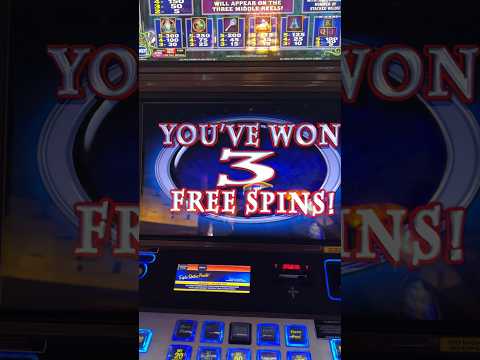
Modern slot machines captivate players through immersive themed experiences and bonus features that transform simple spins into interactive narratives. Instead of static reels, games now offer story-driven journeys set in ancient Egypt, underwater worlds, or fantasy realms, with matching soundtracks and visual effects. These themes are tightly woven with bonus rounds like free spins, pick-a-prize games, or expanding wilds that trigger unexpectedly, increasing engagement and potential payouts without requiring new bets. The most effective designs ensure every visual element ties directly to a mechanic, such as a monster-hunt theme where landing three monster symbols unlocks a chase sequence. Q: Do these bonus features actually change the odds? A: Yes, they modify the game’s volatility—bonus rounds typically offer higher payout potential than base spins, but they occur less frequently, balancing risk and reward.
Poker Variants That Demand Tactical Thinking
In the casino, Texas Hold’em demands constant tactical recalibration, forcing you to read opponents’ betting patterns while calculating pot odds and implied odds in real time. Omaha Hi-Lo elevates this complexity, as you must mentally split the board into high and low hands, often trapping opponents who overlook the low draw. Seven-Card Stud, conversely, strips away community cards, requiring you to deduce your rivals’ hidden pairs from their exposed upcards. Each variant punishes rote play; the edge lies in adapting your aggression and hand selection to the shifting dynamics of the table, not the luck of the draw.
Texas Hold’em: Bluffing and Position Play
In Texas Hold’em, bluffing is only effective when leveraged from a late position, as acting last allows you to gauge opponents’ weakness before committing chips. Position-based bluffing exploits the informational advantage of seeing fewer players remain; a continuation bet on the flop from the button often forces out middle pairs. Conversely, bluffing from early position against multiple callers is mathematically unsound unless you hold a backdoor draw to rationalize aggression. Successful players modulate their bluff frequency based on table image, tightening up when opponents are calling stations.
- Semi-bluff with draws from late position to apply maximum pressure
- Fold weak hands pre-flop in early position to avoid costly bluff attempts
- Use check-raise bluffs only against observant opponents who fold to aggression
- Reduce bluffing frequency when out of position against aggressive re-raisers
Omaha Hi-Lo: Split Pots and Hand Construction
Omaha Hi-Lo demands a distinct hand construction strategy because the pot is split between the best high hand and the best low hand. Players must simultaneously evaluate four hole cards for both halves, targeting the nut low to avoid getting quartered by a counterfeited low draw. A2xx holdings are premium, but the kickers and high potential must also be strong to scoop the entire pot. Marginal low hands like 34xx often lose money because they rarely win the high side and can be dominated for the low. A common tactical error is chasing weak lows that absorb bets while offering no high equity, which erodes value in split-pot dynamics.
Three Card Poker: Speed and Simplicity

Three Card Poker strips away complexity for pure speed, making it one of the most dynamic table games in the casino. Each hand resolves in seconds, forcing you to decide immediately whether to fold or raise based on just three cards. The simplicity of the “Pair Plus” bet or the ante-play structure lets you focus entirely on reading your hand’s strength against the dealer, without distractions from community cards or multi-round betting. This rapid-fire rhythm demands sharp tactical instincts, not patience, rewarding players who can quickly assess betting strategy under pressure to maximize every fast-paced round.
Specialized Games Beyond the Mainstream
Specialized Games Beyond the Mainstream in a casino context include rare variations like Pai Gow Poker, Sic Bo, or Caribbean Stud, which offer distinct risk-reward profiles not found in blackjack or roulette. These games often provide lower house edges or unique side bets that savvy players can exploit through dedicated strategy sheets.
Mastering one niche game gives you a statistical edge over casual players who stick to popular tables.
Unlike mainstream options, these titles rely on personal decision-making rather than pure chance, letting you manipulate variance through bet sizing and card placement. They attract a smaller, more analytical crowd, meaning less competition for favorable rules and softer competition at low-limit tables. For the focused gambler, these games represent untapped opportunities for consistent small wins.

Craps: Understanding Dice Combinations and Bets
In craps, mastering dice combinations is essential for strategic betting. The game relies on 36 possible outcomes from two six-sided dice, with the number 7 being the most probable (six combinations) and 2 or 12 the least (one each). Understanding dice combinations lets you assess risk versus reward on bets like the Pass Line, which wins on 7 or 11 on the come-out roll. For a clearer approach, follow this sequence:
- Learn the odds for each number’s frequency.
- Start with low-house-edge bets (e.g., Pass Line with Odds).
- Avoid proposition bets like “Hardways” unless you accept high volatility.
The field bet covers multiple numbers but often masks a poor payoff ratio. Focus on combinations to avoid sucker bets.

Sic Bo: Ancient Roots in Modern Formats
Sic Bo, translating to “dice pair,” traces its origins to ancient Chinese gambling games, yet it thrives in modern casinos by blending heritage with accessibility. This rapid 3-dice probability game now appears in sleek digital formats, offering crisp graphics and automated payouts for the 50 possible betting combinations. Players benefit from straightforward rules—predict the dice total or specific triples—making it distinct from crowded slot machines or complex table games. Sic Bo’s streamlined modern interface retains the core thrill of its centuries-old mechanics, ensuring quick rounds without sacrificing strategic depth. Is Sic Bo hard to learn compared to other casino games? Not at all—you only bet on dice outcomes, no hand rankings or dealer interactions needed, perfect for instant action.
Keno and Bingo: Luck-Driven Group Dynamics
Keno and Bingo subvert the individualistic arc of standard casino games by forcing shared outcomes and collective pacing. In Keno, players mark numbers on a card while awaiting a central draw; the group wins when community-driven jackpots synchronize multiple tickets, amplifying payouts through pooled participation. Bingo relies entirely on synchronous daubing, where one player’s “Bingo!” ends the round for all, creating a cascading tension of simultaneous hope and loss. The dynamics reward coordination more than skill: buying designated sheets or split cards aligns group luck, as no individual action alters the random draw. This shift transforms solitary risk into a shared emotional cycle of anticipation and instant collective resolution.
Keno and Bingo replace head-to-head gambling with synchronized luck, where group pacing and pooled jackpots bind every player’s outcome to the crowd’s rhythm and a single random result.

Live Dealer Experiences Bridging Online and Physical Worlds
Live dealer experiences fuse the immediacy of a physical casino with the convenience of online play, creating a seamless hybrid environment for classic casino games. You watch a real human spin the roulette wheel or deal blackjack in real-time via HD video stream, bridging the gap between digital and tangible worlds. This setup allows you to interact with the dealer and other players through live chat, replicating the social energy of a brick-and-mortar table. The tangible shuffle of cards and the spin of a physical wheel provide authenticity that purely digital RNG games lack. For modern players, this is the ultimate blended reality—you get the authentic thrill of a live casino floor from your own sofa, combining trust with accessibility for a genuinely engaging gaming session.
Interactive Streaming and Real-Time Chat Features
Interactive streaming in live dealer games transmits high-definition video of a real croupier directly to the player’s screen, creating a seamless visual bridge to a physical casino floor. The integrated real-time chat feature allows players to type messages that the dealer sees and responds to instantly, mimicking the social atmosphere of a land-based table. This live chat integration enables players to ask rule clarifications, request card speeds, or exchange light banter mid-round. The dealer’s audible responses and visible reactions ensure bidirectional communication, making the digital experience feel authentically human without requiring the player to be physically present.
How Camera Angles Simulate Land-Based Atmosphere
By mimicking the authentic casino perspective, camera angles in live dealer games recreate the physical sensation of standing at a table. A close-up shot on the dealer’s hands dealing cards replicates the intimacy of a real felt surface, while a wide-angle view captures the entire table layout, simulating the spatial awareness you’d have in a land-based venue. Low-angle cameras make the roulette wheel appear towering, echoing the scale you’d feel approaching it in Monte Carlo. These dynamic shifts between overhead, player, and croupier views replicate the natural visual flow of a brick-and-mortar floor, directly translating physical proximity into a digital experience.
Game Show Formats: A New Era of Engagement
Modern casino game shows fuse live-dealer interaction with gamified television experiences, transforming passive viewing into active participation. Players press buttons to predict wheel segments, choose puzzle boxes, or trigger bonus rounds for the host to execute in real time. These formats strip away complex rules, relying on clear visual cues and immediate outcomes. The social element thrives as the host comments on live player choices, fostering a shared, energetic atmosphere. Every round feels like a mini-event, not just a bet. This engages diverse audiences who enjoy entertainment-driven gameplay rather than traditional card or table mechanics.
- Interactive decision points (pick-a-box, spin-to-win) replace standard betting rounds.
- Real-time host commentary personalizes each player’s session.
- Fast-paced rounds keep momentum high without rule fatigue.
- Visual and audio styling mimics popular TV game shows.
Bankroll Management for Prolonged Play
For prolonged play, set a strict session loss limit before you start—say, 20% of your total bankroll—and walk away when you hit it, no exceptions. Divide your funds into smaller units, like 50 to 100 bets, to survive the variance of any casino game. Betting a flat 1% to 2% of your bankroll per round keeps you in the action for hours, even with cold streaks. Smart bankroll management isn’t about winning more, but about losing slower and waiting for the luck to shift. Never chase losses by raising your bets; that’s the fastest way to bust. Stick to a consistent bet size regardless of wins or losses, and set a win goal—like doubling your session money—to lock in profits and avoid giving it all back.
Setting Limits and Loss Thresholds
Setting a strict loss threshold before you spin or deal is the single most critical move for bankroll survival. Decide your maximum loss for the session—say 20% of your total funds—and walk away the second you hit it. This prevents the emotional spiral of chasing losses, which erodes discipline. Pair this with win limits, locking in profits when you’re ahead, to ensure the session ends on your terms. Without these hard boundaries, prolonged play becomes a gamble with your entire bankroll, not just one bet.
Betting Systems: Martingale, Paroli, and Fibonacci
The Martingale, Paroli, and Fibonacci systems offer structured approaches to wagering that can influence your session length. The Martingale, a negative progression, doubles your bet after each loss, aiming to recover all previous losses with one win, but it demands a large bankroll and faces table limits. The Paroli, a positive progression, doubles your bet after each win, capitalizing on hot streaks while limiting risk during losses. The Fibonacci sequence dictates bets based on the sum of the two preceding numbers, creating a moderate recovery path. These systems do not overcome the house edge but impose discipline. For prolonged play, managing bet size with Fibonacci often provides the most controlled volatility.
Martingale chases losses with aggressive doubles, Paroli exploits winning streaks by doubling up, and Fibonacci uses a mathematical sequence for measured recovery—all methods for structuring bets, not beating the odds.
Psychological Traps and Avoiding Chasing Losses
Chasing losses is a psychological trap where emotional distress over a losing streak overrides rational bankroll limits. This behavior, driven by the “sunk cost fallacy,” compels players to escalate bets in an attempt to recover, which typically accelerates depletion. To avoid this, pre-commit to strict loss limits and treat each session as an independent event. Recognizing that losses are an expected variance cost, not a debt to repay, is critical for prolonged play sustainability.
- Set a hard stop-loss amount before playing, and walk away immediately once reached.
- Never increase bet sizes after a loss to “win back” money; this compounds the trap.
- Reframe losses as a 99xo fee for entertainment time, not a temporary deficit to reverse.
Legal and Regulatory Landscape Across Jurisdictions
The legal status of casino games varies significantly by jurisdiction, directly impacting your access and liability. In most U.S. states, physical casino games are legal only within licensed commercial or tribal establishments, while unregulated offshore online casinos often operate in a legal gray area, potentially exposing players to asset seizure or prosecution. Conversely, jurisdictions like the United Kingdom maintain a centralized licensing system that mandates player protection protocols and dispute resolution mechanisms. Always verify a platform’s specific regulatory body, such as the UKGC or MGA, before depositing funds. Even in a regulated market, the enforceability of a gaming contract can depend on the jurisdiction where the transaction is processed, not just where the server is located. This patchwork means your rights as a player—such as refunds or fraud recourse—are entirely dependent on the local laws governing the casino’s operations.
Licensing Authorities and Fair Play Standards
Licensing authorities mandate that casino games undergo independent testing to verify Random Number Generator (RNG) integrity, ensuring each outcome is statistically unpredictable and unbiased. These bodies enforce Return to Player (RTP) verification, requiring operators to display audited payback percentages that match their certified game configurations. Fair play standards also compel licensees to provide transparent game histories and dispute resolution channels, empowering you to challenge any irregularity directly with the regulator.
Licensing authorities enforce fair play by certifying RNG randomness and auditing RTP figures, giving you a verifiable guarantee that casino games operate without manipulation.
Age Verification and Responsible Gaming Tools
When you play casino games, responsible gaming tools help you set deposit limits, session time reminders, and self-exclusion periods. Age verification is a simple step that asks for your ID to confirm you’re over the legal age. Many sites also offer reality checks that pop up mid-game. You can adjust these tools anytime in your account settings.
Age verification keeps minors out, while responsible gaming tools like limits and reminders help you stay in control.
Tax Implications for Winnings in Different Regions
Tax obligations on casino winnings vary sharply by region, creating a critical compliance factor for players. In the United States, the IRS requires a mandatory 24% withholding on slot and bingo wins above $1,200, while poker and table game winnings are reported via a W-2G for net profits over $5,000. Conversely, the United Kingdom imposes zero tax on gambling winnings, as they are not considered income, but players must still pay tax on any interest earned from the winnings. Australia similarly exempts winnings from tax, provided the play is not deemed a professional business. Across the European Union, countries like Germany apply a 5% wagering tax deducted from stakes, not winnings, while Spain taxes net annual winnings above €2,500 at progressive rates up to 20%.
| Region | Tax Rate on Winnings | Reporting Threshold |
|---|---|---|
| United States | 24% withholding (slot/bingo); ordinary income (table games) | $1,200 (slot/bingo); $5,000 net (poker) |
| United Kingdom | 0% (exempt as income) | None |
| Germany | 5% wagering tax (on stake) | None (tax applied to bet) |
| Spain | Progressive up to 20% (net over €2,500) | €2,500 annual net profit |
Mobile Gaming and Accessibility Trends
Under the flickering neon of the strip, a player’s thumb glides across her phone screen, spinning a slot reel while her other hand steadies her coffee. Mobile gaming accessibility now means her voice-activated spin commands let her play hands-free, a boon for those with motor impairments. Haptic feedback vibrates softly to mimic the physical pull of a real lever, offering sensory cues for visually impaired users. Colorblind-friendly card decks and adjustable text sizes ensure a blackjack table fits any vision, while simplified navigation menus replace cluttered lobbies. The sound design adapts: ambient casino chatter lowers for players with auditory sensitivities, yet retains the triumphant jingle of a win. Every tap is a silent promise that the virtual felt responds to the individual, not just the algorithm.
Optimizing User Interfaces for Smaller Screens
Optimizing user interfaces for smaller screens in casino games demands thumb-friendly navigation zones. Critical actions like spin, bet adjustment, and cashout must sit within the lower third of the display, where thumbs naturally rest. On a 5-inch screen, oversized buttons with clear contrast prevent mistaps on high-stakes tables. Cards and slot reels must scale proportionally, avoiding horizontal scrolling that disrupts flow. A persistent, collapsible toolbar keeps chip counts and settings accessible without clutter. Q: How do you prevent accidental bets on small screens? A: Implement a two-step confirmation for any bet change, paired with a deliberate press-and-hold gesture rather than a single tap.
Push Notifications and In-App Promotions
Push notifications in casino games serve as direct, personalized prompts, alerting you to limited-time bonuses or newly unlocked slot tournaments as you step away. In-app promotions then capitalize on this momentum, offering tailored deposit matches or free spins exactly when you re-engage. These paired mechanics create a seamless loop: a nudge draws you back, and the offer reactivates your session. For the player, this synergy ensures you never miss a high-value event, turning every notification into an immediate, rewarding opportunity. Mastering this flow is key to maximizing player value through timely, relevant incentives.
Cross-Platform Play: Seamless Transitions Between Devices
Cross-platform play in casino games means you can start a blackjack hand on your phone during a commute, then instantly pick up the exact same hand on your tablet at home without losing your bet or progress. This seamless transition relies on cloud-synced profiles, so your bankroll, game history, and active rounds transfer in real-time. Real-time session syncing ensures no lag between devices, keeping you immersed whether you switch from iOS to Android or desktop. How does this work when switching devices mid-game? The system pauses your round and locks your wager until you log in on the new device, then instantly resumes the action exactly where you left off.
Future Innovations Shaping the Industry
Future innovations are shifting toward predictive game mechanics that learn your risk tolerance and play style in real time, then subtly adjust volatility or bonus triggers without breaking immersion. Haptic-feedback tables will let you feel the texture of felt or the weight of chips through your mobile screen, making remote play tactile. Biometric integration could soon allow your heart rate or gaze patterns to influence in-game animations, creating a personalized atmosphere. Expect AI-driven non-player characters that adapt their banter to your emotional state during virtual poker or roulette sessions. These tools focus on deepening engagement by making the technology invisible, not adding complexity.
Cryptocurrency Integration for Faster Transactions
Cryptocurrency integration is revolutionizing casino transactions by enabling instant deposits and withdrawals, bypassing traditional banking delays. Players can fund accounts and cash out winnings within seconds, not days, through blockchain networks like Bitcoin or Ethereum. This eliminates friction during fast payout gaming, where speed is critical. Smart contracts further automate payouts, ensuring instant settlement without manual approval. Volatility risks are mitigated by stablecoin options, allowing seamless play without value fluctuation worries.
- Deposit and withdraw funds in under 60 seconds via direct blockchain transfers
- Use smart contracts for automated, trustless payout execution
- Choose stablecoins to avoid price volatility during gameplay
Virtual Reality Environments for Immersive Play
Imagine stepping into a casino from your living room, where you can physically walk around a digital poker table or pull the lever on a slot machine. Virtual Reality Environments for Immersive Play make this possible, turning flat screens into 360-degree worlds. You can interact with lifelike 3D slot reels and hear the clatter of chips as if they’re right next to you. Social features let you high-five friends at a blackjack table or glance around a roulette pit, all in real time. It’s less about watching a game and more about being part of the action, blending the tactile feel of a land-based casino with the comfort of home.
Artificial Intelligence Tailoring Player Experiences
Imagine a slot machine that tweaks its bonus rounds to match your play style, or a blackjack table that gently nudges difficulty based on your skill. That’s adaptive gameplay personalization in action. AI learns your preferences—like favorite themes or bet sizes—and subtly adjusts volatility or suggests new games you’ll actually enjoy. It can also pace notifications, offering a loyalty bonus just when your session might be winding down. This creates a smoother, more engaging flow without feeling pushy. Here’s how it typically works behind the scenes:
- Collects anonymous data on your in-game choices.
- Identifies patterns in your risk tolerance and desired session length.
- Adjusts feature frequency and game recommendations in real time.